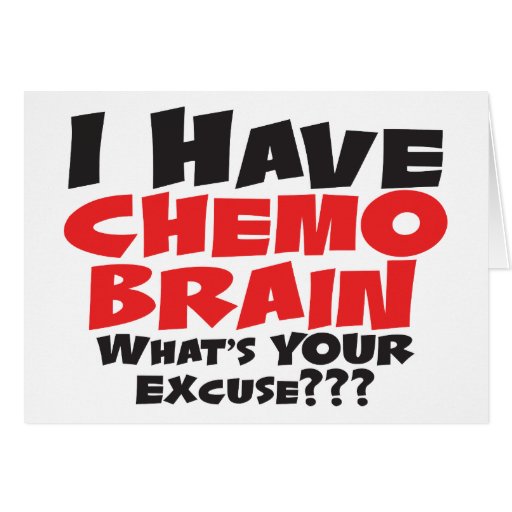
Well, today is the end of Awareness Week, it's the last post. Subsequently, I also think it might be the most important. This post isn't just for cancer patients and survivors, it's for EVERYONE. Not only is there a little something for everyone to take away, but there's also an enormous amount of awareness (go figure) embedded within the words that will follow these. So sit back (or forward, maybe stand if you want, whatever you like), hold on, and use your eyeballs.

Cancer isn't just about cancer. I can hear you scratching your heads from here (might I suggest a better shampoo?), but hear me out. The actual cancer itself is just part of the problem, there's so many more aspects of the disease that come into play, both directly and indirectly. In my previous post I discussed two side effects that don't get a lot of attention, but left out the most important of all side effects. It's an almost taboo subject in our society, regardless of whether or not you've had cancer. But for cancer survivors, it's one of the biggest hurdles for recovering and living a normal life. It's something I have struggled with for some time and am slowly making progress on. Give up? It's a little something called "mental issues." (Although I suspect the title might have given it away some)
 Yes, mental illness is extremely common amongst cancer survivors and patients. It makes perfect sense when you think about it, but most people don't. It is an underwhelmingly undiscussed topic both in cancer recovery and in life in general. People hate talking about mental illness. My theories on why this is the case are not relevant to this blog, although I have several. The goal of Awareness Week is to spread, wait for it...AWARENESS about the problems that cancer patients and survivors must go through. It is an enormously difficult thing to piece your life back together after being dealt such a crippling physical blow, but you and everyone around you is so focused on getting your physical health in as good a shape as they can that often your mental state is neglected to some degree. The people around you, those who are supporting you, don't really understand that not only are you battling the cancer, but also any range of mental and emotional problems such as: depression, anxiety, paranoia, intense anger, panic attacks, nervous breakdowns, manic behavior, suicidal thoughts and tendencies, and the list goes on.
There are a few aspects of this topic that I would like to cover. One for the patient/survivor, and another for those supporting them.
How to cope with mental pain:
- Depression: Probably the most common feeling associate with a cancer diagnosis, both for the patient and their family and friends, depression can be a difficult problem to kick. Remember that there are social workers at the hospital who are used to talking to cancer patients and have a sympathetic ear, they will listen if you talk to them. Also, don't be afraid or ashamed to ask for anti-depressants, they can help to improve your mood to some degree and (if you read the first post) being in a better mood can actually increase your chances of survival. Another good way to stave off depression: laugh (mentioned in the first post). By laughing, you are telling yourself that things aren't completely hopeless, that you can still find joy in the world. Finding some happiness will go a long way toward dispelling some of that darkness that threatens to cast a pall over your thoughts. One last tip: talk to yourself. Tell yourself that you are feeling good and that you will get through this. At first, it will seem silly and like you're lying to yourself, but if you repeat this to yourself often enough, you will start to believe it and it might make all the difference in the world.
- Anger: It begins with the diagnosis itself. Being told that your life is about to radically change, likely forever, is enough to rock even the most thick-skinned people to their very core. There is a sense of betrayal, your body has turned on you and is eating you from the inside out. That's normal. Anger is normal. It is extremely difficult to be able to direct all of that hate and fury to the cancer though, because you can't necessarily see it and so a lot of the anger ends up transferring to people around you. Inevitably, you will snap at somebody you care about for doing something that normally would not bother you in the least, but without an outlet for your anger, you will lash out at those closest to you. It is your duty to apologize and let that person know that you didn't mean it. The best thing you can do to actually deal with the anger is to find an outlet for it, whether it is in violent video games, beating a piñata, or yelling into a pillow, if you can find a method of dispensing that anger into an inanimate object, it will alleviate the rage to some degree.
- Anxiety: Probably the issue that I have the most problem with myself, anxiety can be a nearly crippling force that threatens to overwhelm you in every possible way. Luckily, there are a number of anti-anxiety medications available and this will dull the most potent effects of the anxiety. It would help to learn some relaxation techniques (Relaxation Techniques for Stress Relief) as well, as this will serve to calm your thoughts and sooth your racing mind. Personally, I find that deep breathing (easy one: breathe in for 5 seconds, hold breath for 5 seconds, breathe out for 5 seconds, hold breath for 5 seconds, repeat as necessarily) and visualization (slowly putting yourself into a relaxing scene, like being on the beach, be sure to include all 5 senses) are the most helpful, but these methods differ from person to person and you should be encouraged to try as many out as you want to find the ones that work best for you.
- Suicidal thoughts: Obviously the most dire of mental problems, if you (or the person you are supporting and/or caring for) starts to have suicidal tendencies or thoughts, you should tell your doctor right away so you (or they) can get the help that they need. This is not something you should tackle on your own, the stakes are too high for that. When things are this bad, you want as much professional help on your side as you can get. Here is a link to the Suicide Prevention Lifeline: click here.


 How to offer support: To those who are trying to support somebody going through cancer, it can be a difficult experience for you as well. Watching somebody you care about slowly deteriorate before your eyes can be an excruciatingly painful experience. It might feel awkward to be around them because you don't know what to talk about and don't want to feel insensitive or like you're babying or pitying them. Sometimes this causes people to drift or pull away, and the support for the cancer patient or survivor will almost always dry up to some extent as time passes, but the people who care the most, the ones who the patient can count on, will stick with them even through the bad times. As a cancer survivor and somebody who lost quite a lot of support almost immediately after finding out I wasn't going to die, I have an inkling about the sort of things that work best for helping to support your friend/family member who is going through their treatment/trying to put their life back together afterward. Here are a few friendly tips for supporting the person you care about:
- Treat them like a human: There is nothing worse than having every damn person give you a pitying glance when they find out what you're going through/have been through. It doesn't make somebody any less human to have gone through cancer, they are still the same person you used to know, so treat them like it! They will still like the same movies (most likely, unless it's a sad movie about cancer, then probably not so much), enjoy the same jokes, like the same music, but for some inexplicable reason people start to act like the survivor/patient is five-years old and needs to be coddled at every step. We don't. We want to be treated like an actual person, who deserves all of the respect and friendship that we had before we got sick.
- Share things with them: Don't feel like you have to hide aspects of your life from somebody just because they're going through cancer. You may feel guilty for being able to enjoy life while they're stuck in a bed, but you shouldn't. Cancer treatment is characterized by very boring periods followed by short, intense periods of crazy stuff. During those boring times, it helps to hear how friends are doing and learning about their lives, sometimes it allows patients to live vicariously through you. Just because a patient is undergoing chemotherapy does not mean they don't want to hear anything about you. If you have a funny story about a bad date that you went on last Friday, tell it! Don't feel bad about sharing your life with them, they won't hold it against you that you aren't sick.
- Stick with them: It will be a hard thing to watch at times, but the single most reassuring thing for a cancer patient is to know that your friends are there for you when the going gets tough. It can be demoralizing when somebody you've known for years stops coming around and won't return your calls, it can make you feel abandoned. As their friend, you want to try and keep the person going through their cancer treatments in as good a mood as possible (see above). A very simple way to accomplish this is to put aside your discomfort for a few minutes and take the time to visit, call, or even just text them and see how things are going.
- Don't give up: Sometimes it is difficult to believe things will be okay. Sometimes you know things won't be okay. This does not mean you should just give up and stop trying to help. In fact, that is precisely when you should be even more supportive. When things get bad, it is imperative that the cancer patient gets as much encouragement as possible to help them get through it. As their friend/family, you have an opportunity to lift their spirits and help them fight off any feelings of hoplessness. If you hear them talking about giving up, don't be afraid to call them on it and tell them they are being ridiculous, because they are. Never let them give up, and you shouldn't either. Miracles can happen (I'm walking proof of that, I shouldn't be alive), so always have faith and be as supportive as human possible (and a little more).

And the last thing to remember is that there is no shame in having issues with your mental or emotional health. It is a very common side effect of going through cancer and the treatments associated with it. Ask for help, follow the guidelines above, and remember: things will get better if you believe they will get better. Life is 85% mental, your brain has a mysterious way of molding physical health and can be one of your greatest allies. A positive attitude is your greatest weapon.
And supporters? Be there for them, they need you now more than ever. You have the power to help save their life, don't forget that. Make them smile, show them you're there for them, and never, ever give up on them.


Well, that's it for Awareness Week. I hope that you have learned some useful facts about cancer, cancer treatments, side effects, and ways to cope with all of the above. If you know somebody who is currently going through cancer, has gone through cancer, or has friends or family doing either of the former, please share this with them and spread some awareness. Hopefully by getting some of this information out there, we can all help change perception of cancer and learn how to better hope those who are forced to endure it.
If you have any comments or facts you wish to share, please post them in the comment section below (that's why it's there!). Have a wonderful day.
And blog? Thank you. Sincerely, your boss, Andrew